
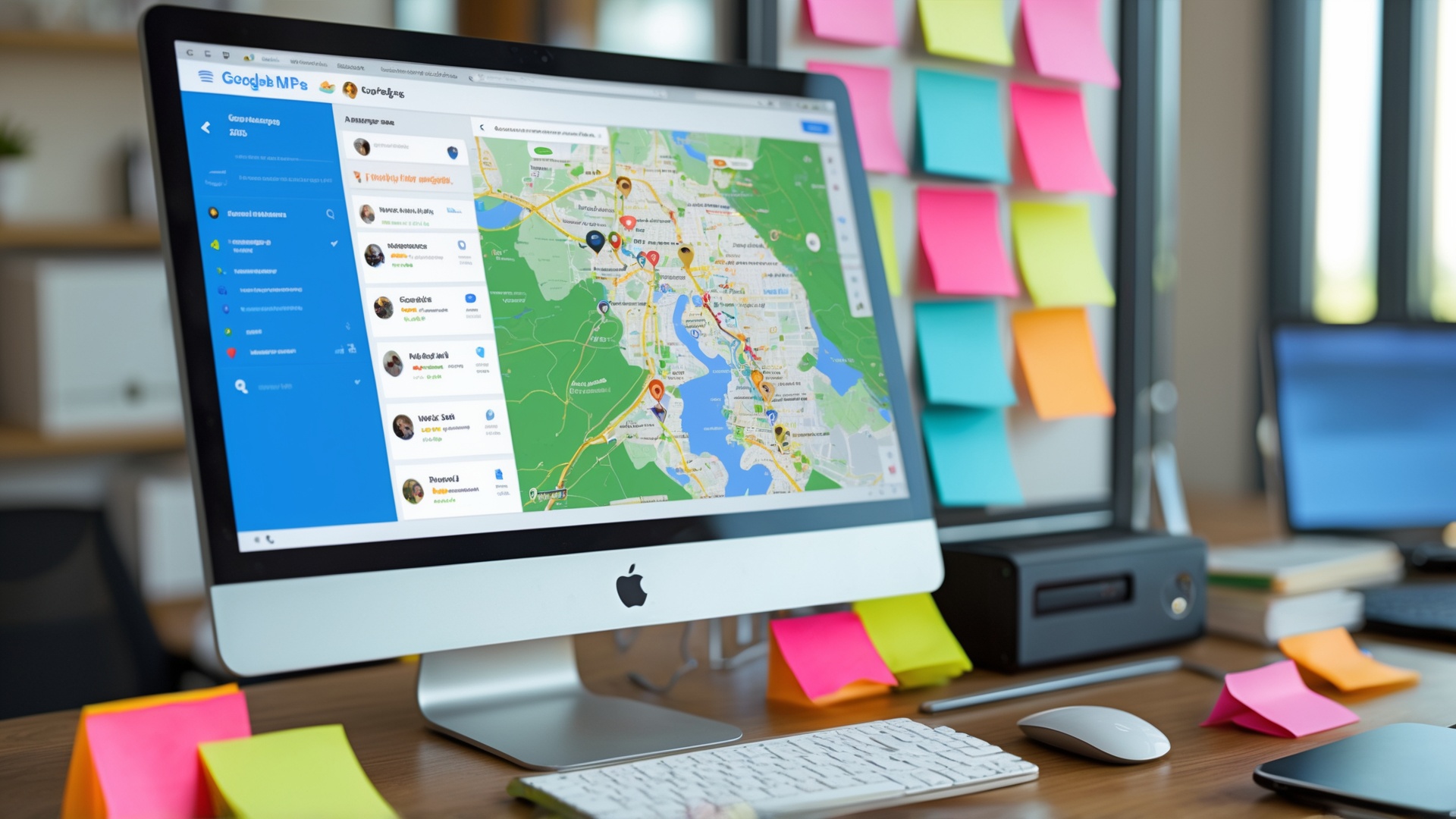
In today’s digital-first world, your business’s online presence is often the first impression you make on potential customers. Whether you run a small shop, manage a growing franchise, or develop solutions for businesses nationwide, mastering Google Maps Rankings is essential for staying competitive. With more people turning to search engines and mapping apps to find products and services, your business listings can either open doors or leave you invisible. But maximizing your reach on Google Maps and other directories isn’t just about filling out a profile, it’s about strategic optimization, consistent data, and ongoing engagement. In this comprehensive guide, we’ll dive into proven strategies to help you climb the rankings, attract more customers, and build a reputation that stands out across the United States. From understanding the ranking factors to leveraging customer reviews and monitoring your performance, you’ll learn actionable steps to take your business listings from basic to best-in-class. Let’s explore how you can make your business easier to find, more trustworthy, and ultimately more profitable by harnessing the power of Google Maps Rankings and beyond.
Mastering Google Maps Rankings for Your Business
Google Maps Rankings are a critical factor in determining how easily potential customers can find your business when searching for products or services across the United States. Appearing in the top results on Google Maps not only increases your visibility but also establishes trust and credibility. The ranking algorithm considers a variety of elements, including the completeness of your business profile, relevance to user queries, proximity (when relevant), and the quality and quantity of reviews. Businesses that consistently update their information, respond to customer feedback, and utilize all available features tend to outperform those who set and forget their listings.
One of the most effective ways to improve your Google Maps Rankings is by optimizing your Google Business Profile. This means providing accurate business details, selecting the most relevant categories, uploading high-quality images, and posting regular updates. Additionally, encouraging satisfied customers to leave positive reviews can significantly boost your ranking. Google values active engagement, so responding to reviews, both positive and negative, demonstrates that you care about your customers and are committed to providing excellent service.
It’s also important to ensure that your business information is consistent across all online platforms. Discrepancies in your name, address, or phone number can confuse both customers and search engines, potentially harming your rankings. Tools and services designed to manage and audit your listings can help you maintain this consistency and identify areas for improvement. For more insights and tools to help you climb the ranks, check out Google Maps Rankings.
Boosting Revenue by Improving Your Google Maps Rankings
Achieving higher Google Maps Rankings is more than a vanity metric, it can directly impact your bottom line. Businesses that appear in the top three results on Google Maps search pages enjoy significantly higher click-through rates, more calls, and increased foot traffic. This visibility translates into more opportunities to convert searchers into paying customers. In competitive industries, even a small improvement in your ranking can make a big difference in revenue and market share.
To maximize these benefits, focus on optimizing every aspect of your business listing. Use relevant keywords in your business description, select the most appropriate categories, and regularly add new photos to showcase your products or services. High-quality images not only make your listing more attractive but also signal to Google that your business is active and engaged. Don’t overlook the power of posts and updates, sharing news, promotions, or events keeps your profile fresh and encourages repeat visits from potential customers.
Another key to improving your business visibility is leveraging customer reviews. Encourage your satisfied clients to share their experiences, and always respond thoughtfully to feedback. Positive reviews build trust and can sway undecided customers, while your responses show that you value customer input. For inspiration and real-world examples of businesses that have successfully increased their revenue through better rankings, explore our portfolio of case studies on improving your business visibility.
How to Optimize Your Business Listings for Google Maps Rankings
Optimizing your business listings for Google Maps Rankings involves a series of strategic steps that go beyond simply claiming your profile. Start by ensuring that every detail in your listing is accurate and up to date. This includes your business name, address, phone number, website, hours of operation, and service areas. Incomplete or outdated information can frustrate potential customers and hurt your rankings.
Next, select the most relevant categories for your business. Google allows you to choose a primary category and several secondary ones, make sure these accurately reflect what you offer. Use your business description to naturally incorporate important keywords, including Google Maps Rankings, to help your listing appear in more searches. Upload high-quality images that showcase your location, products, team, and unique selling points. Visual content can make your listing more appealing and increase engagement.
Another critical step is to regularly monitor and respond to reviews. Thank customers for their feedback and address any concerns promptly. This not only improves your reputation but also signals to Google that your business is active and attentive. For a comprehensive guide to best practices in optimizing your business listings, explore our resources and step-by-step checklists.
Understanding the Key Factors That Influence Google Maps Rankings
To effectively maximize your business listings, it’s essential to understand the main factors that influence Google Maps Rankings. Google’s algorithm evaluates a combination of relevance, distance, and prominence to determine which businesses appear at the top of search results. While you can’t control every aspect, focusing on the elements you can influence will give you a competitive edge.
- Relevance: Ensure your business categories, descriptions, and services match what your customers are searching for. Use targeted keywords, such as Google Maps Rankings, naturally throughout your profile.
- Prominence: Build your reputation through consistent reviews, high ratings, and regular updates. The more active and well-reviewed your business is, the more likely it is to rank highly.
- Completeness: Fill out every field in your business profile. Listings with complete information perform better in search results and are more trustworthy to customers.
By focusing on these factors, you can systematically improve your standing and attract more customers searching for your services nationwide.
The Importance of Consistency Across All Business Listings
Consistency is a cornerstone of effective business listings management. Search engines cross-reference your business information across multiple directories to verify its accuracy and legitimacy. If your name, address, phone number, or website differs from one platform to another, it can confuse both customers and search algorithms. These inconsistencies may lead to lower Google Maps Rankings and missed opportunities.
To maintain consistency, create a master document with your official business details and use it as the source for all online listings. Regularly audit your profiles on major directories, including Google, Bing, Yelp, Facebook, and industry-specific sites. Update any outdated or incorrect information promptly. Consistent listings not only improve your rankings but also build trust with potential customers who expect accurate and reliable information.
Many businesses use listing management tools to automate this process and ensure uniformity across dozens of platforms. These tools can alert you to discrepancies and help you correct them quickly, keeping your business information synchronized everywhere it appears online.
Leveraging Customer Reviews to Enhance Google Maps Rankings
Customer reviews are a powerful driver of Google Maps Rankings and overall business reputation. Positive reviews not only attract new customers but also signal to Google that your business is trustworthy and popular. The quantity, quality, and frequency of reviews all play a role in determining your ranking. Businesses with a steady stream of recent, high-quality reviews tend to rank higher and receive more attention from potential customers.
Encourage your customers to leave reviews by making the process easy and accessible. Include links to your Google Business Profile in follow-up emails, on receipts, or through QR codes at your location. Respond to every review, thanking customers for their feedback and addressing any concerns. This engagement shows that you value your customers and are committed to continuous improvement.
Remember, negative reviews are inevitable, but how you handle them can make a significant difference. Address issues professionally and offer solutions when possible. A thoughtful response can turn a dissatisfied customer into a loyal advocate and demonstrate your commitment to service excellence.
Expanding Beyond Google Maps: Other Essential Directories
While Google Maps is the most influential platform for business listings, it’s important not to overlook other major directories. Bing Places, Apple Maps, Yelp, Facebook, and industry-specific sites each attract unique audiences and contribute to your digital footprint. A comprehensive listings strategy ensures that your business is visible wherever customers are searching, increasing your chances of being discovered.
Each directory has its own requirements and features, so tailor your profiles accordingly. For example, Yelp emphasizes detailed business descriptions and customer engagement, while Apple Maps relies heavily on accurate location data. Consistency remains key, make sure your business information matches across all platforms. Monitor your profiles regularly to update hours, respond to reviews, and add new photos or promotions.
By diversifying your listings, you not only reach more potential customers but also strengthen your authority in the eyes of search engines. This multi-platform approach can indirectly boost your Google Maps Rankings as well, creating a positive feedback loop for your online presence.
Tracking and Measuring Your Google Maps Rankings Performance
Monitoring your Google Maps Rankings is essential for understanding what’s working and where there’s room for improvement. Google provides valuable analytics through your Business Profile dashboard, including views, searches, and customer actions like calls or direction requests. Regularly reviewing this data helps you identify trends, measure the impact of your optimization efforts, and make informed decisions about future strategies.
In addition to Google’s built-in tools, consider using third-party platforms that track rankings, review sentiment, and competitor performance. These tools can provide a more comprehensive view of your online presence and highlight opportunities to outperform your competition. Set benchmarks and track your progress over time, celebrating milestones and adjusting your tactics as needed.
Remember, improving your Google Maps Rankings is an ongoing process. Regular audits, updates, and engagement are required to maintain and grow your visibility in a constantly evolving digital landscape.
Common Mistakes to Avoid When Managing Business Listings
Even with the best intentions, many businesses make mistakes that can undermine their Google Maps Rankings and overall online presence. Avoiding these pitfalls is just as important as following best practices. Here are some of the most common errors and how to prevent them:
- Ignoring profile updates: Failing to update your hours, services, or contact information can frustrate customers and lead to negative reviews.
- Inconsistent information: As mentioned earlier, discrepancies across listings can confuse search engines and lower your rankings.
- Neglecting reviews: Not responding to customer feedback can make your business appear unresponsive or uncaring.
- Keyword stuffing: Overusing keywords like Google Maps Rankings in unnatural ways can hurt your credibility and search performance.
- Using low-quality images: Poor visuals can make your business look unprofessional and deter potential customers.
By staying vigilant and proactive, you can avoid these mistakes and maintain a strong, effective presence across all business listings platforms.
Table: Checklist for Maximizing Your Google Maps Rankings
| Step | Action Item | Frequency |
|---|---|---|
| 1 | Claim and verify your Google Business Profile | Once |
| 2 | Complete all profile fields with accurate information | Quarterly |
| 3 | Upload high-quality images | Monthly |
| 4 | Respond to all customer reviews | Weekly |
| 5 | Audit and update listings on other directories | Quarterly |
| 6 | Monitor analytics and adjust strategies | Monthly |
Use this checklist as a roadmap to ensure you’re covering all the essential steps for maximizing your Google Maps Rankings and maintaining a strong digital presence.
Bringing It Together
Maximizing your business listings on Google Maps and beyond is a continuous journey that requires attention to detail, consistency, and a commitment to customer engagement. By focusing on Google Maps Rankings, you position your business to be discovered by more customers, build trust, and drive real results. Remember to keep your information accurate, respond to reviews, and update your profiles regularly. Expand your reach by maintaining listings on other major directories and always monitor your performance to identify new opportunities for growth. With these strategies in place, your business will be well-equipped to stand out in the crowded digital landscape and achieve lasting success across the United States.